WEB DEV PROJECT
Filmpire - AI-Powered Movie Application
WEB DEV PROJECT
My Role
Web Developer
Start Date
11/06/2023
End Date
08/07/2023
Technologies used
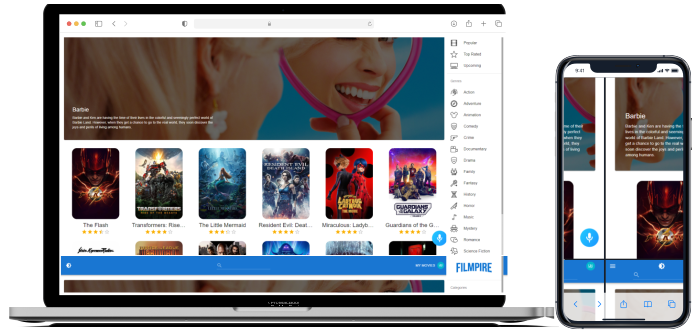
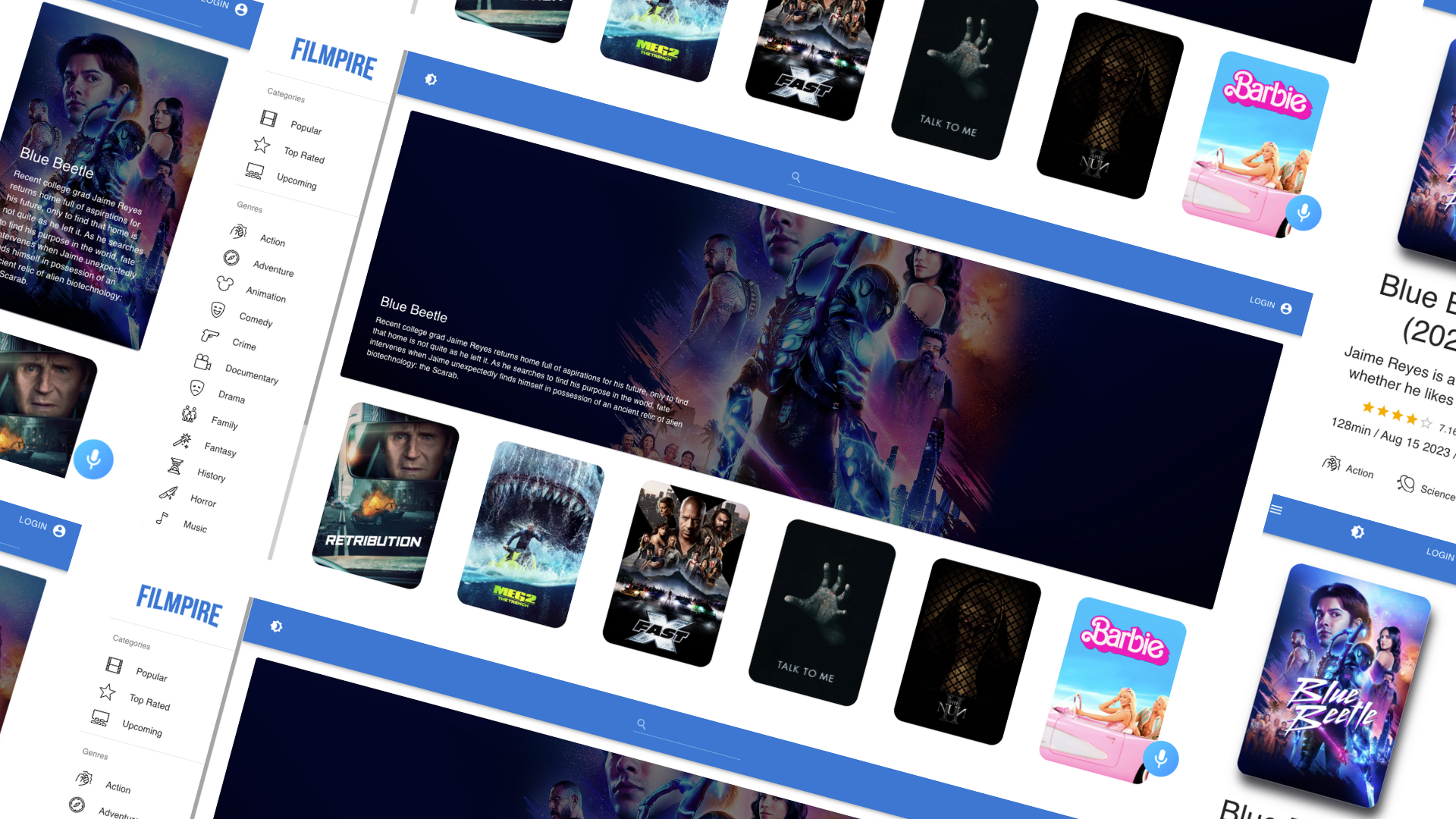
Filmpire is an innovative and user-friendly movie web application that utilizes the power of AI to provide a seamless movie-watching experience. With Filmpire, movie enthusiasts can easily discover an extensive collection of movies across various categories and genres. The platform also allows users to watch trailers of upcoming films, and access comprehensive information about the movie cast, synopsis, and other relevant details. Filmpire is a perfect companion for anyone who wants to stay up-to-date with the latest movie releases, explore old classics, or simply find their next favourite movie.
Problem
As a movie enthusiast, have you ever wondered how to build a web application that not only offers a user-friendly and engaging experience but also utilizes advanced AI technology to provide personalized and relevant movie recommendations? With the right approach, you can create an innovative and intuitive platform that caters to the unique preferences of each user and revolutionizes the way they discover and enjoy movies.

Way of work
Definition
Design
Planning
Development
Deployment
Problem

Redux Toolkit was confusing at first, especially the concepts of createSlice and createAsyncThunk
Faced challenges in testing and deploying the web application on different platforms and devices, as well as ensuring its security.

Learned how to use an API to fetch movie data, such as TMDB.
Learned how to design and implement a user interface that is responsive, intuitive, and attractive, using HTML, CSS, and JavaScript.
Learned how to use Redux Toolkit to manage the state of my web application and simplify the code for actions and reducers.
Learned how to use React useContext to pass data to multiple components without prop drilling.
Projects
JobIt
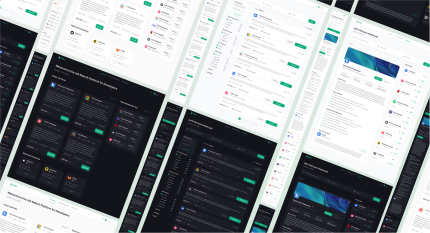
My team and I have created JobIt, a web-based application that posts job opportunities for free. We have used Next.js and JSearch API to develop this platform that connects developers with millions of job openings. JobIt provides detailed information about job listings, including company details, job requirements, and responsibilities. Moreover, users can explore job openings from specific companies and other similar companies based on their search criteria. The application also has a salary estimate feature, enabling users to view an estimated salary range for job postings. User convenience has also been considered, with the option to switch between light and dark themes. With JobIt, developers can easily search for job postings according to their preferred location, employment type, level, and salary range.
Morent
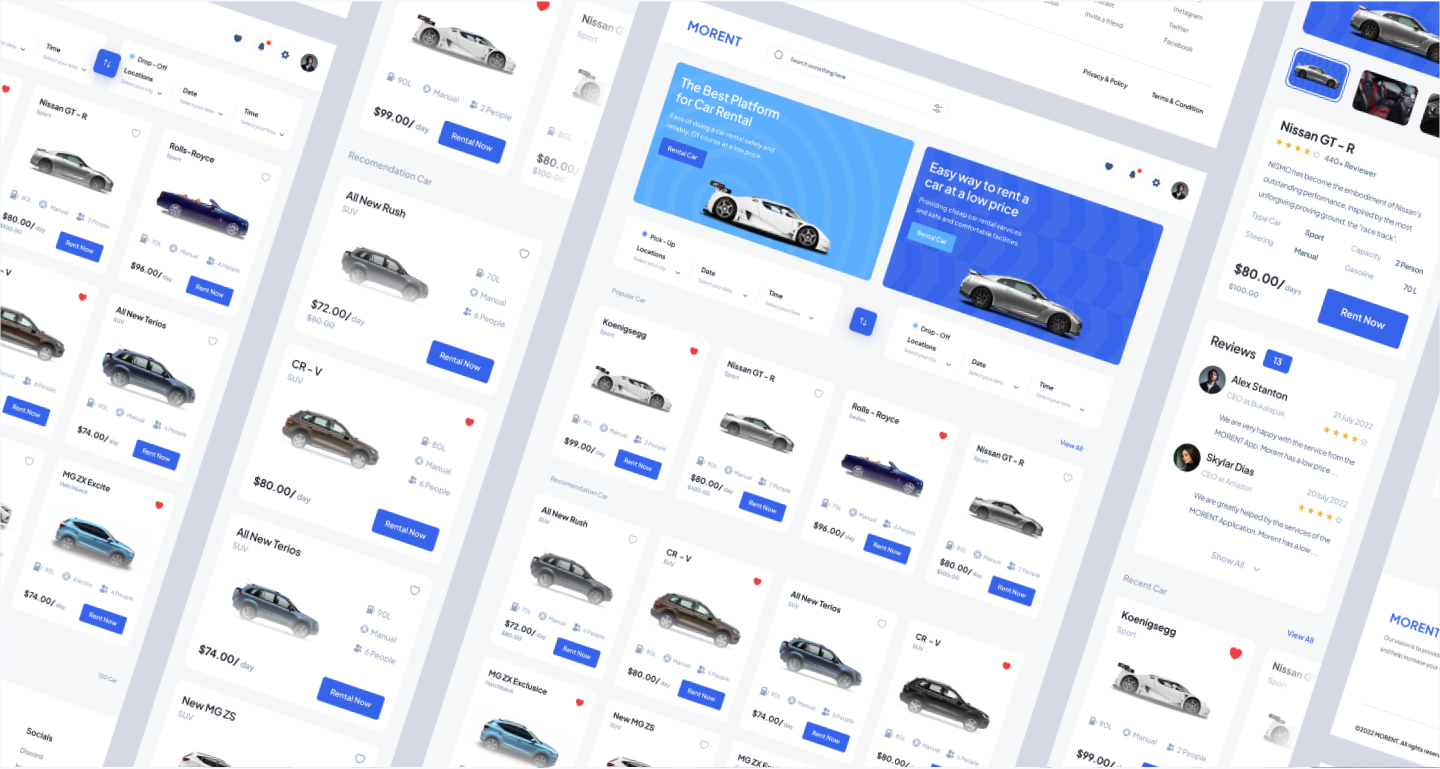
Morent is a cutting-edge car rental application developed using Next.js, and MongoDB. The app boasts a dynamic homepage that showcases featured vehicles, along with convenient pickup & drop-off location options & a comprehensive list of available cars. My team and I also developed the car listing page which offers a search bar and various filtering options for users to find the perfect vehicle. Additionally, it has a car details page that provides users with detailed information and suggestions for other recommended vehicles. Car owners are also able to list their cars for rent through our Add Car page, while users can easily track their rented and rented-out cars through their profile page. Overall, we've created an intuitive and user-friendly MVP version of the platform that will make renting a car a breeze.